
World Mental Health Day: What Can You Do for Mental Health?
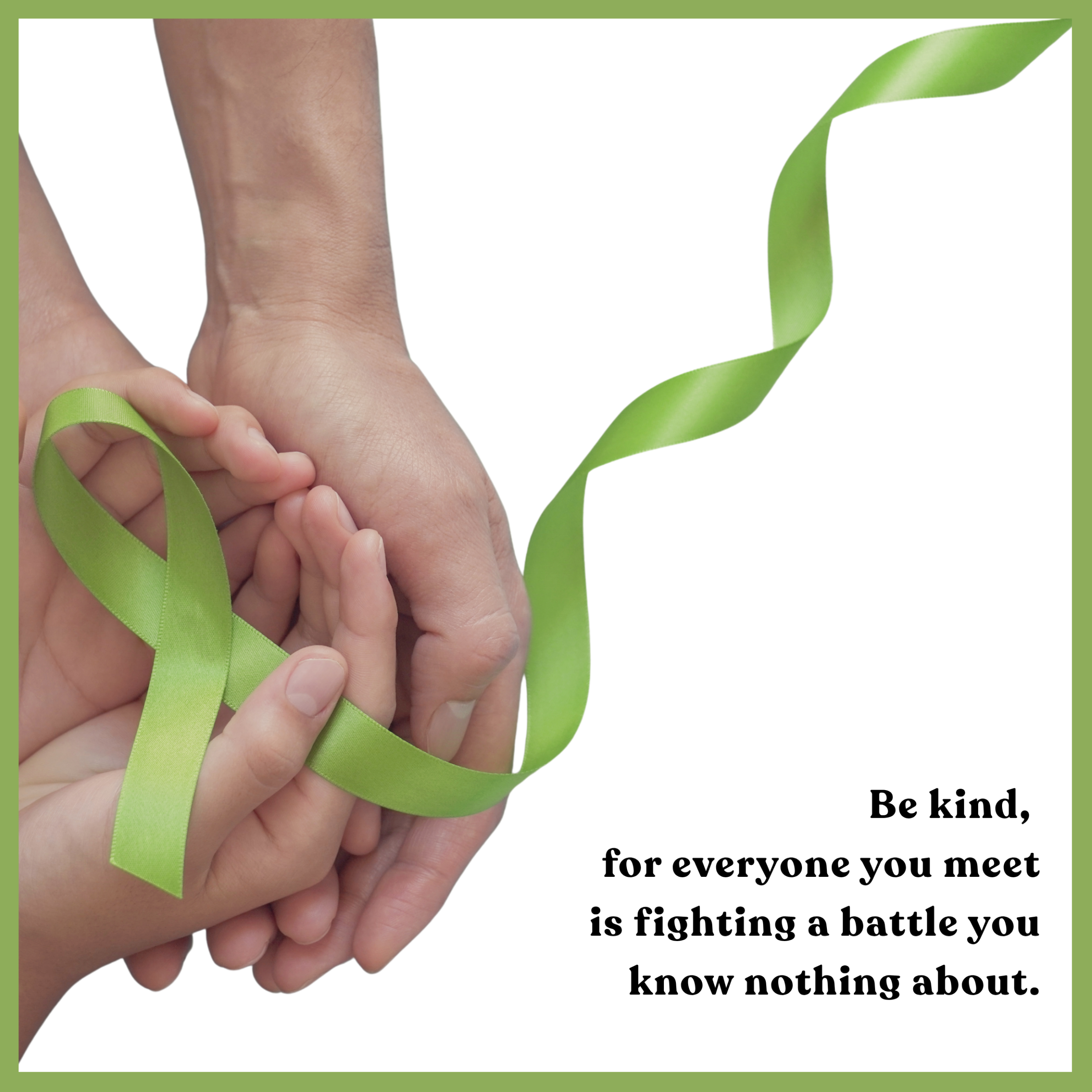
October 10 marks World Mental Health Day, an annual day recognised internationally to raise awareness of mental health and mobilise support for those who need it.
This year’s global theme is “Lived experiences heard: real voices, real change.” And that starts with listening to people’s experiences, rather than making assumptions based on what we can see from the outside.
Awareness is more than knowing the day exists. It’s also about looking differently at mental health and recognising that some people’s struggles may never look like struggle from the outside.
We often look for the person who has stopped coping. The person who has withdrawn. The person who has stopped answering messages. The person whose life has visibly changed.
But not everyone who is struggling looks like they are struggling.
Some people don’t fall apart. They become exceptionally good at functioning.
You’ve probably met someone like this, although you may not have realised it at the time.
They’re the person who keeps going when they’re exhausted. They turn up to work, look after their family, answer the phone, make plans and carry on with ordinary life. If you ask them how they are, they’ll usually give you an answer that keeps things moving: tired, busy, stressed, getting through it.
And because life appears to be carrying on around them, we assume they are carrying on too.
But human beings are remarkably good at adapting to difficult conditions.
We learn routines. We learn distractions. We learn how to keep conversations going when our minds are somewhere else. We learn which parts of ourselves are safe to show and which are better kept hidden. Given enough time, even a person living with enormous amounts of distress can become very good at making it look ordinary.
There may be no obvious sign that anything is wrong.
They may actually become more dependable. More organised. More useful to everyone around them.
They keep busy because stopping gives their thoughts too much room. They look after other people because it is easier to deal with someone else’s problems than their own. They become the person everyone calls because being needed gives them a reason to keep moving.
From a distance, it can look remarkably like strength.
And perhaps that is why we miss it.
We tend to look for the obvious signs of someone struggling. The person who has withdrawn, stopped working, stopped answering messages or no longer seems like themselves.
But what about the person who has become extraordinarily good at hiding the change?
The person whose life looks completely intact while, privately, they are using every bit of energy they have just to maintain it.
There is something almost instinctive about this. We adapt to our surroundings. We learn what is expected of us. We become skilled at whatever helps us get through the day.
Sometimes that skill is pretending we're alright.
The difficulty is that the better someone becomes at it, the less likely anyone is to notice that they need help.
This World Mental Health Day is a good time to look again at the people we think we know well.
Not with suspicion, and not by trying to diagnose everyone around us. Just with a little more curiosity. The person who is always there for everyone else may have very little left for themselves. The person who never complains may simply have decided that nobody wants to hear it. And the person who seems to be coping beautifully may be coping with something you know nothing about.
We don't always get to see what someone is carrying. Sometimes all we see is the behaviour that has allowed them to carry it. And that's perhaps the most important thing to take from October 10.
Don't wait for World Mental Health Day to notice someone. Don't wait for the awareness campaign, the conversation, the crisis or the moment when they finally can't keep functioning.
Mental health doesn't become important on October 10. And neither does the person sitting quietly beside you, carrying something you may never see. That is what we owe each other: not the expectation that everyone should be okay, but the freedom to admit when we aren't.
Pay attention on an ordinary Tuesday.
Ask the second question.
Stay for the answer.
Notice the person who is always checking on everyone else.
We rarely know the full story of the person sitting across from us. We see the smile, the work, the conversation, the life they continue to live. We don't always see what it takes to keep all of that going.
Be gentle with people. Be curious. Make room for the answer you weren't expecting. And every now and then, look a little closer. You might find that the person you thought was holding everything together has simply become very good at holding themselves together.